banner-organization

Advancing Leadership in Sustainable Seafood


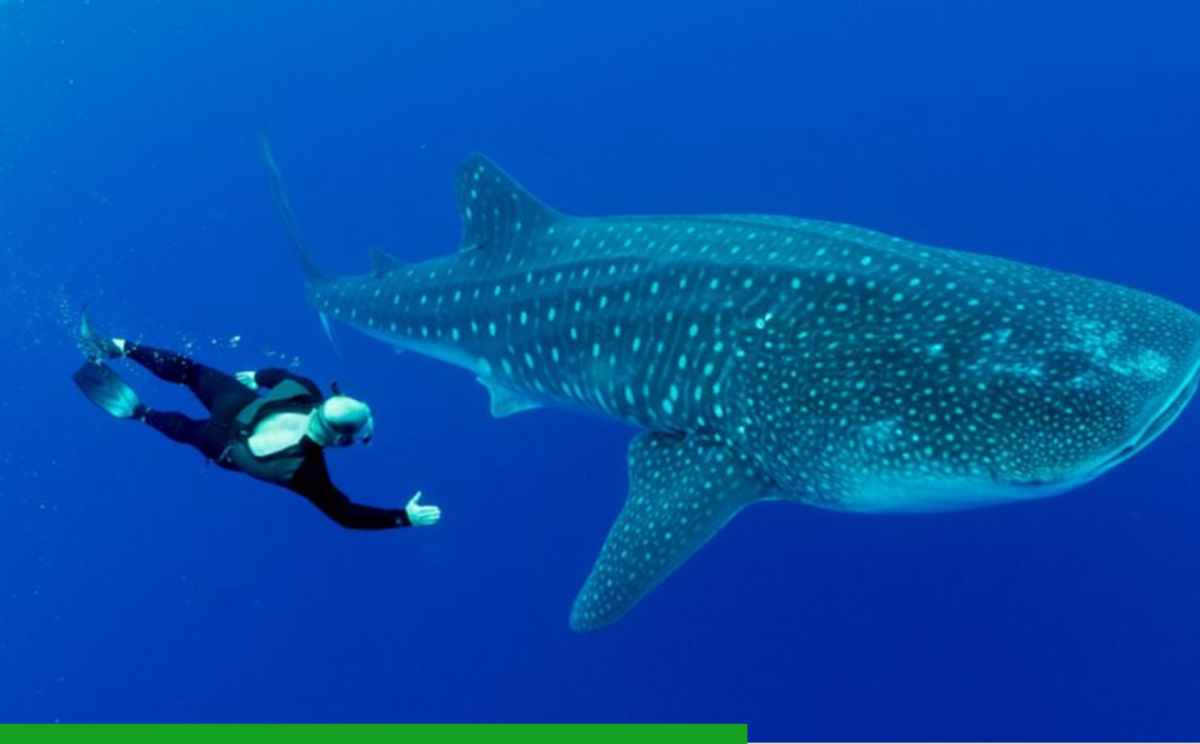
Photo of the Week: White Shark off Isla Guadalupe, Mexico

greatwhite

Globally, many shark populations and declining. How can you help protect sharks? Start with these two easy steps:

1. Take shark off the menu – do not buy shark in the grocery store or at a restaurant, not only have shark numbers declined significantly over the years, the tissue is often high in mercury. When you see shark being sold, politely ask the company to re-consider selling shark, as it is not a sustainable seafood dish.

 2. Say thank you with your tourism - support nations that have protected sharks and put laws in place to end shark finning and limit commercial fishing (see blog about Palau declaring its waters a shark sanctuary).


Happy Omega-3 Awareness Day Everyone! (Yes, Really)

Today, March 3, marks the first ever Omega-3 Awareness Day. Carol A. Locke, MD, with a team of world-renowned doctors, has spearheaded the movement and claim that the day is needed to help educate both the healthcare profession and the general public about the proven health benefits of this essential nutrient.

William S. Harris, PhD, Professor of Basic Bio-Medical Science and co-founder of the omega-3 index has gone as far to say, "correcting our omega-3 deficiency could be the single most important dietary change we can make"

Seafood, as you may well know, is very high in Omega-3, but which types of fish should you buy that are good for the environment too?

We recommend the following

- Wild Alaskan Salmon
- Arctic Char
- Atlantic Mackerel
- Sardines
- Sablefish/Black Cod
- Oysters
- Mussels

And the list goes on!

So why don't you go ahead and plan your dinner tonight around one of the fish listed above. What better way to recognize Omega-3 Awareness Day?


Sustainable Seafood at the 2012 Olympic Games

pollock_tacoThe athletes at the summer 2012 Olympic Games in London will get their Omega 3’s from sustainable sources. The organizers want the more than 82 metric tons of seafood to be from diverse wild and farmed sources. The wild sources will have to meet the United Nations Food and Agriculture Organization’s Code of Conduct for Responsible Fisheries and the farmed fish fed with sustainable feed and ethically traded.


Read the full Seafood Source article here and read the Food Vision for the 2012 Games here.


Community Supported Fisheries A Triple Win for Fishermen, Consumers and the Environment.

csf_picture

Land based producers have been doing it for years; collecting cash up front from customers at the beginning of the season and offering a constant supply of fresh, high quality product in return. And now, at a time when over 85% of American seafood is imported, local fisherman are also getting on board, so to speak.

These community supported fisheries (CSF’s) have blossomed on the east coast, particularly North Carolina, Massachusetts, New Hampshire and Maine and look set to establish themselves around the rest of the country.

With the influx of cheaper and often less sustainable seafood imports, there is a need for U.S fisherman to cover their costs more innovatively and effectively. With the CSF programs, fisherman get a much needed cash injection at the beginning of the season when they need it most and can increase their profits by eliminating the middleman. Also, when fisherman can get more for their catch, they fish less aggressively which means less negative impacts on the environment.

Do you think a system like this might work in your local area?


What's in a Name?

Seafood names are confusing, probably because there are so many of them. For example, did you know there are 65 rockfish species (in genus Sebastes) in the northeast Pacific? The FDA approved market name for these fish is rockfish, but there are many other names, such as Pacific Red Snapper, used in conversation and sometimes in markets too.black_rockfish

Multiple names makes things very difficult when trying to understandwhat species of fish you are buying in the market, which is essential to understanding its sustainability. A great tool to help understand the market names is provided by the Food and Drug Administration (FDA). You can search a seafood product and a list of approved market names along with the scientific and other common names.

Use this list to help you decide what to label a product in the case, or to answer a customer’s question about a common name and its synonyms. Click here to view the FDA Seafood List.